2026 Keynote Speakers
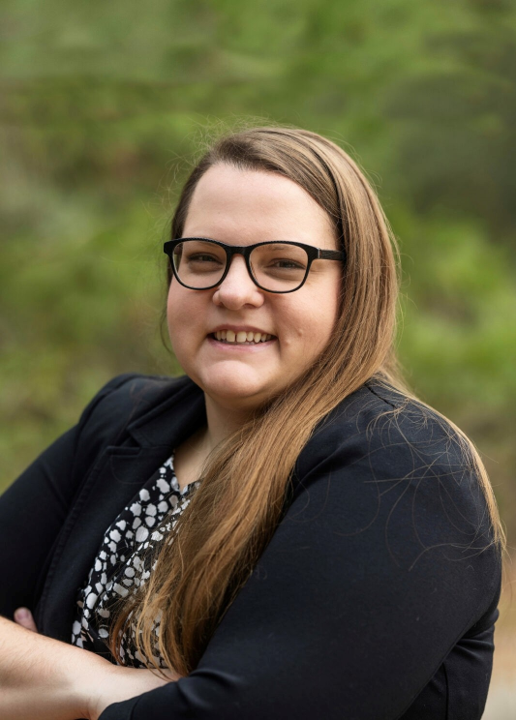
Dr. Margaret Cook
Dr. Margaret Cook is HARC’s Vice President, Water & Community Resilience. With a strong foundation in engineering, policy, and the water-energy-climate nexus, Dr. Cook’s research focuses on developing and implementing solutions for water resource management, energy access and affordability, and climate adaptation. She leads a team of experts building collaborative initiatives to enhance community resilience, sustainable development, and availability and affordability of clean water. Dr. Cook earned her Doctorate in Civil Engineering, her Masters Degrees in Environmental and Water Resources Engineering and Public Affairs, and her Bachelor of Science in Civil Engineering from the University of Texas at Austin.
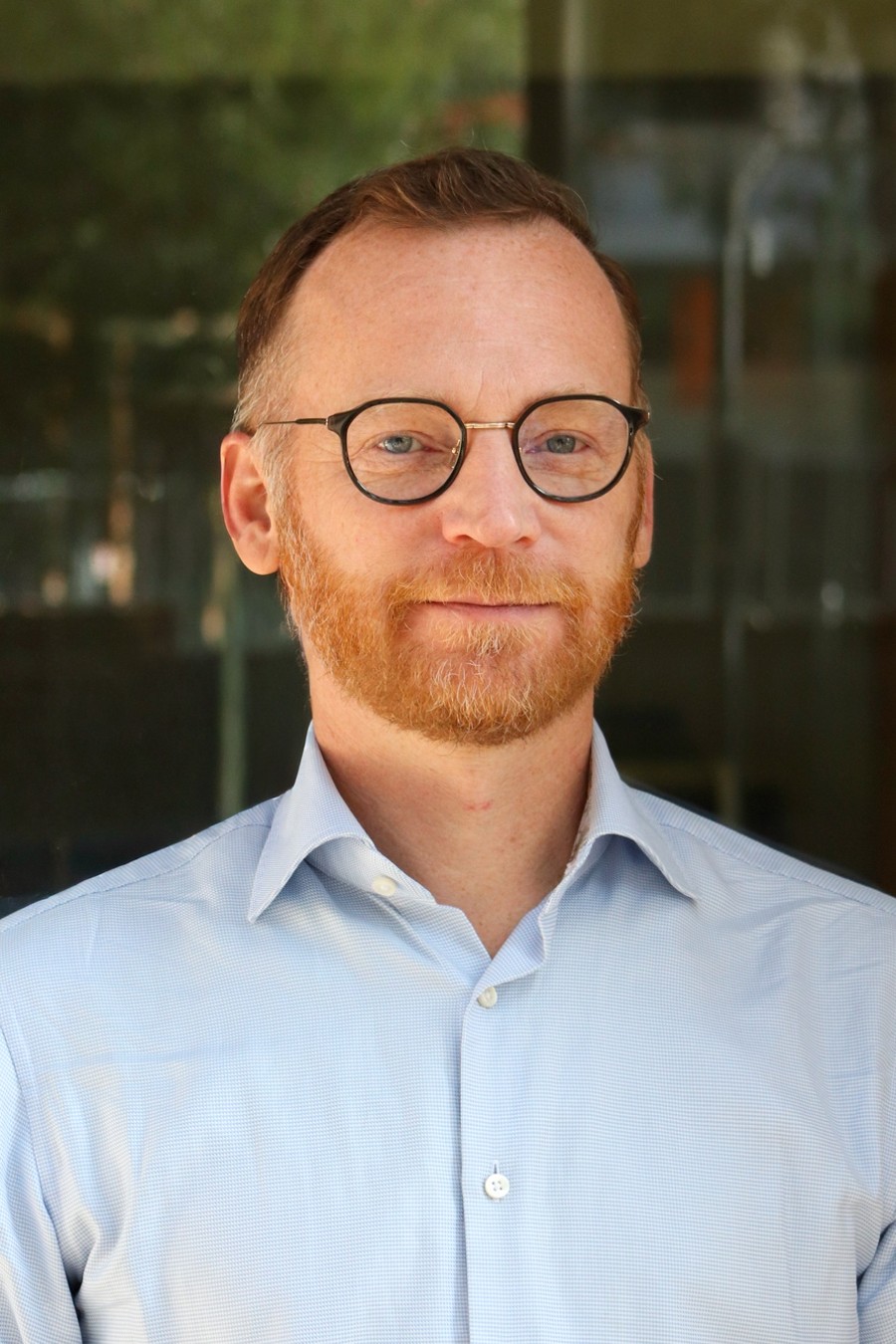
Dr. Daniel S. Alessi
Dr. Daniel S. Alessi is a professor and the Getty Oil Company Centennial Chair in Geological Sciences in the Jackson School of Geosciences at the University of Texas at Austin, who specializes in aqueous geochemistry and geomicrobiology. His research group focuses on developing technologies for critical minerals extraction, on understanding the surface chemistry and reactivity of environmental materials such as pyrogenic carbon, iron oxides, bacteria, and clay minerals, and on improving our knowledge of the water cycle in natural catchments and industrial operations. He is a member of the College of New Scholars, Artists and Scientists of the Royal Society of Canada and a Fellow of the Royal Society of Chemistry.
Abstract: Sedimentary brines and clays can contain potentially economic concentrations of lithium and other critical minerals. However, predictive models of lithium distribution in these potential resources are in their infancy, and technologies to extract, concentrate and purify lithium remain underdeveloped. This presentation will introduce knowledge gaps in the development of lithium exploration and extraction technologies, and discuss promising solutions.
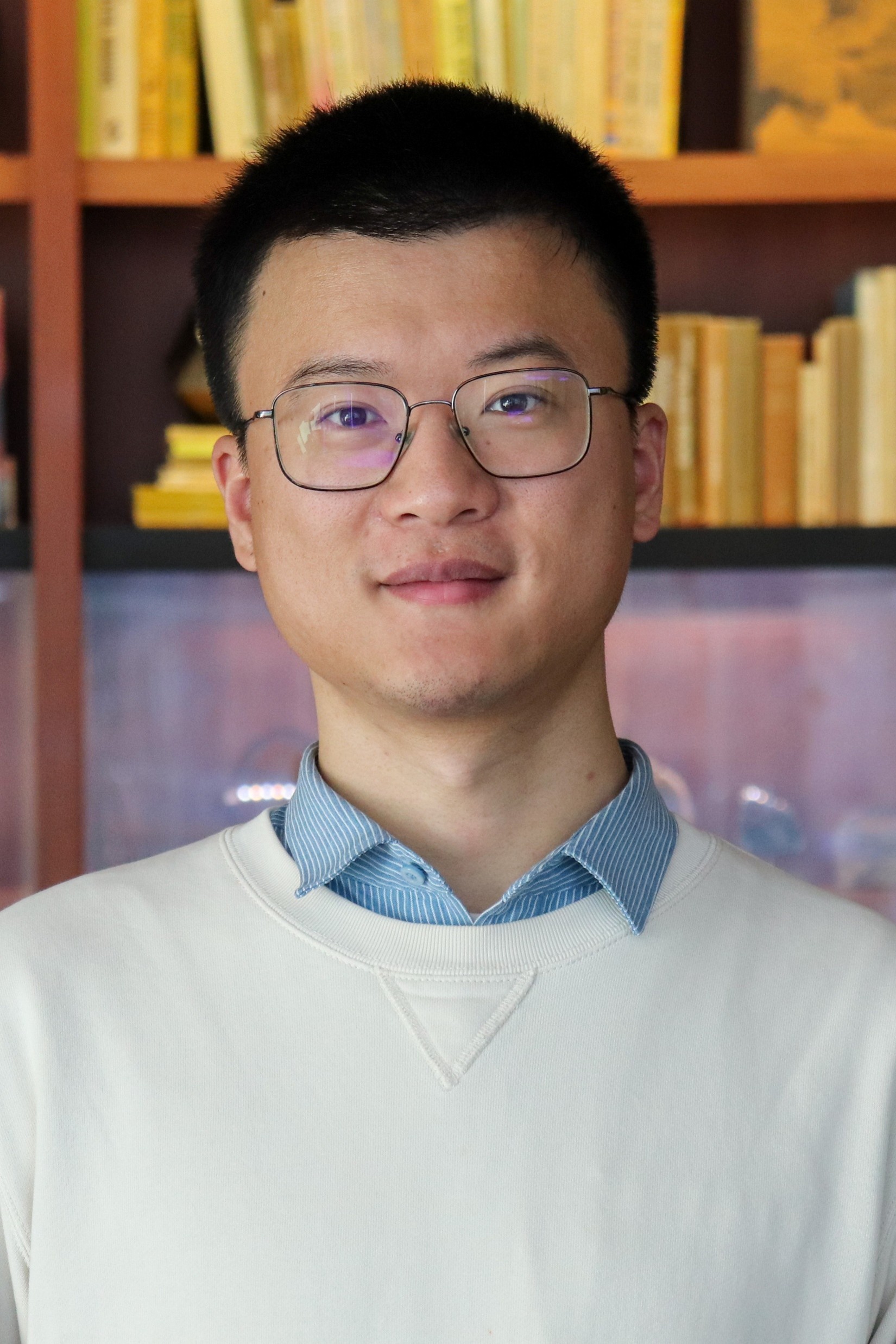
Dapeng Feng
Dapeng Feng is an assistant professor at the Jackson School of Geosciences, UT Austin. Before joining UT, he was a postdoctoral fellow in the Institute for Human-Centered AI and the Department of Earth System Science at Stanford University. He earned his Ph.D. in hydrology at The Pennsylvania State University, where he developed the differentiable hydrologic modeling framework to unify physical models and machine learning. His research group studies the terrestrial water cycle and its interactions with ecosystems by integrating hybrid physics-AI modeling and multi-source observations.
Abstract: Machine learning (ML) has substantially improved the predictability of hydrologic systems in many applications, largely because of its ability to autonomously learn from big observations. Beyond predictive performance, we are particularly interested in using ML to evolve model structure and advance physical representation. In this talk, I will discuss why and where integrating physical laws with ML remains essential for improved understanding of hydrologic systems. We need models capable of characterizing not only “big-data” but also “small-data” processes commonly encountered in hydrologic sciences. Integrating physical constraints enables learning from large indirect observations while representing intermediate processes with limited observations, to help reveal system functions and feedbacks. It also enhances model generalization to data-scare regions, non-stationary processes and extreme events. ML and physical models are not divergent but complimentary pathways. The systematic integration toward next-generation models promises to improve both modeling capability and process understanding across scales.